
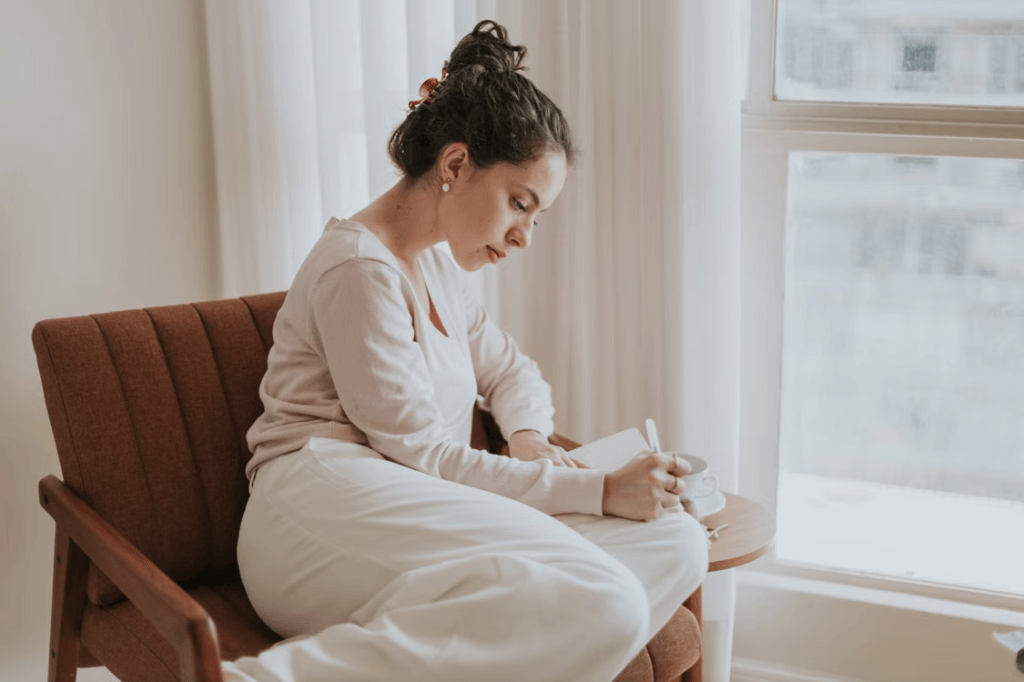
Busy parents juggling work and home, professionals managing packed calendars, and caregivers holding everything together often run on alert all day. Deadlines, constant notifications, money worries, and interrupted sleep can stack up until stress feels like the default setting, making it hard to think clearly or rest. Building stress awareness matters because stress rarely announces itself as “stress”, it shows up as irritability, tension, or checking out. Creative stress relief offers practical stress management techniques that fit real schedules while supporting the mental health benefits of creativity.
Quick Summary: Creative Calm Strategies
- Try art therapy inspired activities to express emotions and reduce stress through simple, low pressure making.
- Choose a relaxing creative hobby that fits your interests to channel tension into focused, enjoyable action.
- Practice mindfulness through creativity by staying present with colors, textures, sounds, or movement.
- Mix digital and offline creative outlets to find accessible stress relief options that match your routine.
Try Image-to-Image AI Art for a Gentle 10-Minute Reset
If you liked the idea of fast, calming creative outlets, a tiny dose of digital play can feel just as soothing. Experimenting with AI art tools can be surprisingly low-pressure, especially if you start with an image-to-image approach. Instead of creating something from scratch, you upload an existing photo or piece of artwork and describe how you want it transformed: shift the style, change the setting, adjust the colors, or add other visual details. Tools like Adobe Firefly image to image make it easy to explore these variations, so you can focus on gentle experimentation rather than “getting it right.” You can also provide a reference image to guide the overall look, which helps you steer the mood and aesthetic you’re aiming for while still letting the tool do the heavy lifting, no advanced artistic skills required.
Pick Your Path: Low-Cost Creative Habits for Stress Relief
When stress is high, creativity gives your brain something steady to hold onto: a small task, a sensory focus, and a clear “done” point. Choose one option below and try it today, most take 10–20 minutes and use what you already have.
- Paint a “two-color mood map”: For painting for stress relief, limit yourself to two colors and one tool (a brush, sponge, or even a cotton swab). Fill a page with shapes that match how you feel, tight lines for tension, soft washes for calm, without trying to make it “good.” The constraint quiets decision fatigue, and the repetitive motion can downshift your nervous system.
- Journal with a 3-part template (facts, feelings, next step): Journaling benefits come from turning a swirl of thoughts into something organized and finishable. Write 3 bullets for what happened, 3 words for how you feel, and 1 small next step you can do in 24 hours. Many people find journaling works as a stress management tool, especially when you keep it simple enough to repeat.
- Make a 60-second loop to reset your body: For music creation and relaxation, record or tap a short rhythm (claps on your desk count), then layer a second sound, humming, a shaker made from rice in a jar, or a simple melody. Play it back on repeat for two minutes while you breathe slowly. Loops are calming because they’re predictable; your mind can stop scanning for “what’s next.”
- Try “single-sense crafting” for mindfulness: For crafting and mindfulness, pick one craft action and do only that for 10 minutes, threading beads, folding paper, cutting strips, or tying knots. Keep attention on one sensory cue: the texture, the sound of scissors, or the colors lining up. When your mind wanders, return to the cue without judging yourself.
- Start digital drawing with three brushes and three shapes: For digital drawing for beginners, set a 15-minute timer and restrict yourself to a pen, a soft shading brush, and an eraser. Build a scene using only circles, triangles, and rectangles, then refine just one area (like the shadows on a mug). The structure keeps it low-pressure, similar to the gentle “tweak and transform” feel of image-to-image AI art.
- Do a “prompt-and-paintover” from your AI art reset: Take an image you generated in that 10-minute image-to-image practice and paint over it, digitally or with markers, adding three personal touches (a color shift, a symbol, a caption). This works because the blank-page stress is already solved; your job is only to respond and personalize. Save versions so you can see progress without perfectionism.
- Use creative meditation techniques with a moving anchor: Instead of focusing on breath alone, focus on a gentle action: tracing a spiral on paper, slowly doodling a line that never lifts, or coloring one small section at a time. Pair the movement with a cue word like “soften” or “release” on each exhale. The motion gives your attention somewhere to land when thoughts are loud.
Turn Creative Outlets Into a Calm-Building Weekly Habit
Stress has a way of piling up when days feel full and recovery gets postponed. The most reliable antidote is adopting creative practices as small, repeatable routines, using engaging in relaxing hobbies to shift the nervous system out of overdrive and into steadier focus. Over time, the benefits of creative outlets show up as long-term stress management and positive mental health habits that feel less like “self-care” and more like a normal part of life. Calm is built in small, creative moments repeated often.

