
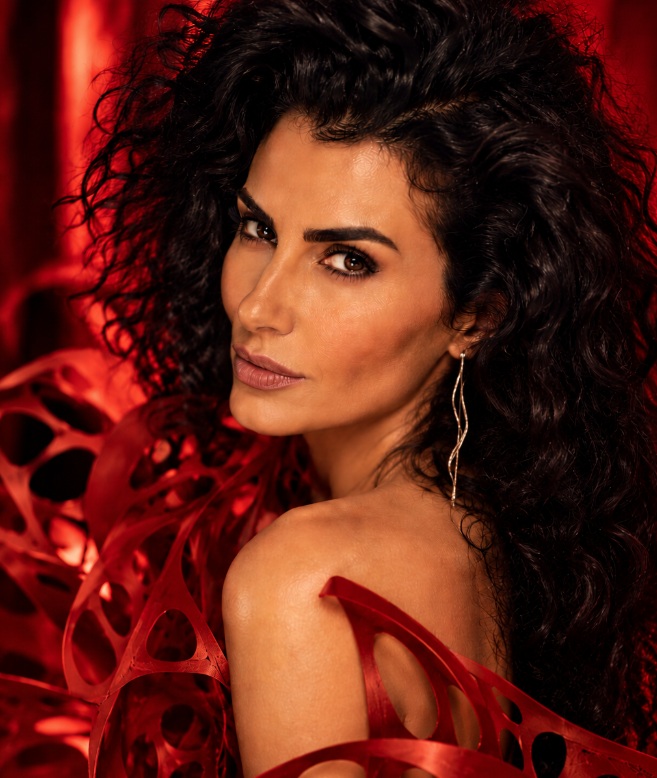
Recently featured in NEW LEASE MUSIC’s New Music Round-up, P.PEEVA pops into the interview seat to discuss her debut single, ‘SOMADAYLESS’ and how she uses AI as part of the creative process.
NLM: Hey, thank you for taking part in an interview with NEW LEASE MUSIC. Please introduce yourself to the world!
PP: My name is Petya Peeva, and I am the creator behind the music project P.Peeva. I’m from Bulgaria. I have a corporate career, which is how I earn my living, and I create alongside that.
When we introduce ourselves through our jobs, a lot gets left out. For me, that’s writing and everything that has gradually grown from it. I don’t decide in advance which idea will become a poem, a story or a song.I follow the way I feel it. Sometimes the words come with such a clear sense of music that I want to hear them outside my own head. SOMADAYLESS is my debut single. It introduces a part of me that a job title or a professional biography couldn’t really explain.
NLM:You released your debut single, ‘SOMADAYLESS’, in August. What is the public perception of the single so far?
PP: I’m still discovering what happens to a song after you release it. While you’re creating it, you make the decisions. Then it reaches people who don’t have all your explanations and hear it through their own lives. I find that part just as interesting as making it.
SOMADAYLESS has already received media attention and given me opportunities to talk about the idea behind it. This interview is part of that journey too. At the same time, I’m actively working to help it reach more people. I send it out, introduce it and look for places where it might connect. When you’re starting independently, people have no reason to know you exist yet.
It’s still early to make big claims about its reception. What I can talk about are the first opportunities it has opened up, and the work that continues after the release.
NLM: What inspired you to write/produce the single?
PP: The feeling that ‘someday’ sounds like a promise, even though it guarantees nothing. It’s easy to put things there when they need more courage, more time or a difficult conversation. And because we haven’t given up on them completely, we can go a long time without noticing that we keep putting them off.
I created the word SOMADAYLESS from ‘so many days less’. Each time we put something off, there are fewer days left to do it. There’s also a play on ‘someday less’: less of that constant ‘someday’ we leave so much of our lives to.
Those two meanings meet in the song. Time keeps passing, but we can still change how we respond to it. We can’t do everything immediately. But we can ask ourselves whether we’re really waiting for the right moment, or whether we’ve simply become used to waiting.
NLM: How would you describe the single’s sound to potential fans?
PP:R&B, soul and hip-hop, both the music and the culture, have always meant a lot to me. They’ve shaped the way I listen to voices, rhythm and how a phrase can carry more than the words alone. When I imagine the sound of a song, I also hear how the words should be delivered. The same line can sound like a confession, a plea or an accusation. That changes the whole song, even if the words stay exactly the same.
With SOMADAYLESS, I wanted the music to give the subject of time and postponement room to breathe, without turning it into a lecture. I wanted the emotion to come through in the delivery and leave listeners room to find their own connection to the lyrics.
NLM: You use AI to help produce ‘SOMADAYLESS’. What initially inspired you to use AI as part of your music-making process?
PP: The possibility of developing a musical idea when I already have the lyrics and a clear sense of how I want it to sound. In my head, there’s a genre, a particular kind of voice and a way of singing the words. The challenge is turning that into something I can actually hear and work on. A music creation platform gave me a way to do that. I can try a direction, hear where it doesn’t match what I had in mind and keep developing it.
I have a corporate career and other responsibilities in my daily life. Being able to start working on a song myself makes a practical difference. I can begin, rather than leave the idea for some future moment when all the conditions are right.
NLM: Can you take us briefly through your creative process when using AI to produce your music?
PP: I start with the concept – what the song is saying, where it’s coming from and how I want the emotion to develop. The lyrics are part of that, but before I hear any version, I already have a sound in mind. I decide on the genre and style, and imagine a specific voice, its character and the way it should deliver the words. Then I work with the music creation platform to develop that direction. There are a lot of decisions between what I imagine and what I hear. Does the voice have the right feeling? Does the rhythm work with the lyrics? Does the chorus arrive with enough strength? Is the music bringing out the emotion, or making it too obvious?
A version can sound finished and still not feel like my song. It might be pleasant to listen to, but take the words somewhere I didn’t intend. Then I have to work out what isn’t right and keep refining it. A lot of the process is listening and making choices. I need to tell the difference between something that impresses me for a moment and something that belongs in the song. The final choice has to hold up after that first excitement wears off.
The lyrics, concept and creative direction are mine. I use AI for the music and vocals, and I’m open about that.
NLM: What would you say to musicians and other creatives who strongly oppose using AI in music?
PP: I think we first need to understand exactly what someone objects to. Consent, the use of other people’s work, voice imitation and payment are specific concerns. Saying that technology is moving forward doesn’t answer them.
I can speak most clearly about my own work. I write the lyrics, develop the concept and decide on the direction. I’m open about using AI, and I don’t present the generated vocals as my own singing. Those distinctions matter to me because they help listeners understand what they’re hearing.
I wouldn’t compare my process to the years a singer has spent developing their voice, or a musician learning their instrument. What I can do is explain the work I’ve put in and stand behind my decisions. I’d like the conversation to allow for those details. That gives us a way to discuss specific uses and the responsibility behind them, rather than judging every use of AI in the same way.
NLM: What plans do you have in store for 2026?
PP: I’m planning to release my next song in early November. I’m keeping the title to myself for now.
In this one, I’m experimenting with bringing together two styles that aren’t usually mixed. I’m really happy with how it turned out. For me, the interesting part is whether those styles can work together naturally within the song. An unusual combination isn’t enough on its own if you can constantly hear the effort to make it work. That’s something I want to keep exploring. I have strong influences, but I’m curious about what else I can do with the music I love.
NLM: How can potential fans find you?
PP: You can find me on music platforms by searching for P.Peeva and SOMADAYLESS. My website is petya-peeva.com, and I’m @ppeeva on Instagram and @p.peeva_ on TikTok. You can follow my upcoming projects there too.
NLM: Finally, if music didn’t exist, what profession would you do?
PP: I already have a professional life outside music. I work and have a corporate career, so there’s a very real answer to that question in my everyday life.
Writing would still be there too. It doesn’t depend on whether a piece of writing can become a song. My ideas take different forms, and I’d keep following them.I think you can take something very seriously even when it isn’t your profession. The fact that my creative work doesn’t pay my bills doesn’t decide how much care and effort I’m willing to give it.


Lovely! I’m really impressed!
LikeLiked by 1 person
Thank you for commenting ❤️
LikeLike